
is for Alpha-tocopherol
Alpha-tocopherol function is to protect the immune system, acts as a antioxidant by protects cells from being destroyed by free radicals, and prevents excessive clotting formation


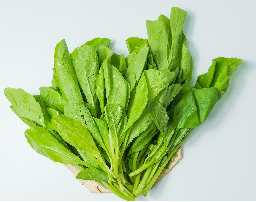

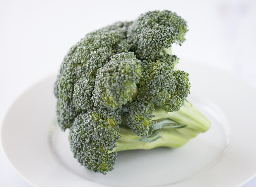
is for Alpha-TOCOPHEROL
A
A lack of this vitamin can cause muscle weakness, also known as ataxia, which can lead to difficulty walking and loss of muscle control. It may also cause neuropathy, leading to numbness, tingling, and loss of reflex of the extremities, vision loss and hemolytic anemia. If it absorbe in excess it can lead to severe bleeding, and increases your risk of hemorrhagic stroke

is for alpha-tocopherol
A
The RDA for alpha-tocopherol is the following:
Adults and teens (14+) :15 mg per day
Breastfeeding women: 19 mg per day
Children 9-13 yrs: 11 mg per day
Children 4-8 yrs: 7 mg per day
Children 1-3 yrs: 6 mg per day
Infants: 4-5 mg per day
This vitamin can be found in high amounts in: Wheat germ oil, Sunflower, Safflower, and olive olive oils. It can also be found in: Avocados, Spinach, Kiwis, and Mangoes in lower amounts



is for Ascorbic Acid
A
also known as Vitamin C. It function include: maintaining and building healthy skin, bone, cartilage, blood vessels, and connective tissue. It also aids in wound healing, acts as a antioxidant, protecting the cells from damage and inflammation. Additionally, it supports the immune system in fighting bacterial infection.


is for ascorbic acid
A
Not receiving enough ascorbic acid to the development of Scurvy manifesting symptoms such as: feeling fatigue, bleeding of the gums, bruising easily, and also impairing wound healing. An excess of ascorbic acid can lead to diarrhea, nausea, stomach cramps, and increases the risk of developing kidney stones.


is for Ascorbic acid
A
The RDA for ascorbic acid includes:
0-6 months: 40mg/day
7-12 months: 50mg/day
1-3yrs: 15mg/day
4-8 yrs: 25mg/day
9-13yrs: 45mg/day
Boys 14-18 yrs: 75mg/day
Girls 14-18: 65mg/day
Men 19+ : 90mg/day
Women 19+ : 75mg/day
Adults should not exceed 2,000mg/day as it can lead to gastrointestinal problems
This vitamin can be found in : orange, grapefruit, lemons. limes, strawberries, kiwis, papayas, mangoes, red/green bell peppers, leafy greens, tomatoes


is for Biotin
B
Also known as vitamin B7. Biotin acts as a coenzyme and aids in converting fats, carbohydrates, and proteins into energy. Plays a crucial role in the development of the embryo in pregnancy . Additionally, it supports healthy skin, hair, and nails.
Insufficient Biotin, can cause brittle nails, thinning hair, numbness/tingling in the extremities, rash around the face.
A excess amount of biotin can cause: acne, nausea, vomiting, diarrhea, mimick heart attacks, and give false negative thyroid levels readings


is for Biotin
B
The RDA includes the following:
adults 19+ yrs: 30 mcg/day
pregnant individuals: 30 mcg/day
teens age 14-18 yrs: 25 mcg/day
children age 9-13 yrs: 20 mcg/day s
You can find Biotin in meats, egg, nuts beef and chicken liver, cooked sweet potatoes.



is for calciferol
C
also known as Vitamin D. Calciferol's main function is to help the body absorb calcium , phosphorus, ensures healthy bone development, regulates immune system, and decreases inflammation response
A lack of calciferol can cause weak bones, bone pain, Rickets in children, puts you at a increase risk for osteoporosis
Excess Calciferol can cause: hypercalcemia, kidney stones, nausea, confusion

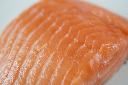
is for calciferol
c
The RDA includes the following:
infants 0-12 months : 10 mcg/day
children through adults 1-70 yrs: 15 mcg/day
adults 71+ yrs: 20 mcg/day
calciferol can be made through your skin by being exposed to sunlight.
It can also be obtain from: salmon, tuna, sardines egg yolks, fortified orange juice



is for Calcium
C
Calcium is the most abundant mineral in the body. 99% of calcium is store in the bones and teeth, the remaining 1% circulates in the blood stream

Calcium helps keep our bones and teeth strong, it sends electrical triggers that allow our muscles to contact, aids in activiting proteins that asisst in blood clotting
is for calcium
C
calcium is absorbed in the small intestines, and vitamin D assists in absorption.
If calcium levels get low, parathyroid ( PTH) is released and causes calcium to be released from the bones
A lack of calcium can cause: weak bones, osteopenia, osteoporosis, muscle cramps, numbness/tingling
An excess of calcium can cause: kidney stones, constipation, confusion, and irregular heartbeat.


is for Calcium
C
The RDA for calcium include the following:
Adults 19-50yrs : 1,000mg/day
Women 51+ yrs: 1,2000mg/day
Men 71+: 1,2000 mg/day
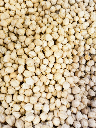
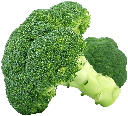
You can obtain calcium from: Milk, yogurt, cheese, kale, broccoli, chickpeas, carrots, spinach, and soybeans


is for cyanocobalamin
C
also known as vitamin B12. Cyanocobalamin's function is to produce healthy RBCs, maintains healthy nerve cells and has a role in the synthesis of DNA

Cyanocobalamin is release from the stomach, it will then bind to Intrinsic factor ( a protein), where it would get absorbed through the small intestines

is for cyanocobalamin
C
A lack of cyanocobalamin can cause: pernicious anemia, megaloblastic anemia, fatigue, weakness, numbness/tingling in the extremities, and can lead to permanent nerve damage if not treated
An excess of cyanocobalamin can cause: headaches, anxiety, acne, HTN, nausea, vomiting, and diarrhea
you can obtain Cyanocobalamin from: beef, chicken, milk, egg, cheese, yogurt


is for folic acid
F
Folic acid plays a crucial role in the body as it helps make DNA and RNA, makes healthy red blood cells, prevents neural defects in babies during pregnancy, and assists in cell growth and development

Folic acid is absorbed in the small intestines, where enzymes convert it into tetrahydrofolate. As it is traveling in the bloodstream it then enters the liver, where it is converted into 5-methyltetrahydrofolate and is then used to produce DNA and growth of cells

is for Folic acid
F
A lack of Folic acid can cause: birth defects, shortness of breath, megaloblastic anemia, pale skin, and weakness
An excess of Folic acid can cause: irritability, confusion, difficulty concentrating, anxiety, and in dangerously high levels it can mimic the symptoms of Vitamin B12 deficiency,


is for Folic acid
F
The RDA includes the following:
infants: 65-80 mcg DFE/day
Adults : 400 mcg DFE /day
pregnant individuals: 600mcg DFE/day
You can obtain Folic acid from foods such as : black beans, broccoli, spinach, lentils asparagus, beef liver, chickpeas, oranges

is for Iron
I
Iron's main function is to transport oxygen from the lungs to the rest of the body. It also has a crucial role in producing hemoglobin ( in red blood cells) and myoglobin ( in muscle cells), where oxygen is stored and transported. It also has a role in converting nutrients from food to energy

A lack of Iron can cause: iron-deficiency anemia, weakness, shortness of breath, tachycardia, and pale skin
An excess of Iron can cause: liver damage, arrhythmias, arthritis, and diabetes
is for Iron
I
The RDA for iron includes:
infants 0-6 months: 0.27mg
infants 7-12 months: 11mg
children 1-3yrs: 7mg
children 4-8yrs: 10mg
children: 9-13 yrs: 8mg
adolescents:14-18: [ males 11mg] [females 15mg]
adults:19-50 [ males 8mg] [females 18mg]
adults 51+ :8 mg for both males and females
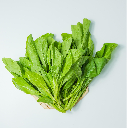
you can obtain Iron from: red meats, shellfish legumes, dark greens, nuts, prunes, chicken, liver,


is for Magnesium
M
Magnesium plays a huge role in the human body. It aids in nerve signaling , allows muscle to contract, produces energy, aids in DNA and protein synthesis, maintains regular blood pressure and blood sugar, and supports the immune system by regulation inflammation
A lack of Magnesium can cause: muscle cramps, weakness, tremors, irregular heartbeat, and seizures when it gets extremely low.
An excess of Magnesium can cause: hypotension, confusion, trouble breathing, and in severe cases cardiac arrest

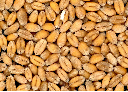
is for Magnesium
M
The RDA for Magnesium includes:
infants 0-6 months: 30 mg/day
infants 7-12 months: 75mg/day
children 1-3 yrs: 80 mg/day
children 4-8yrs: 130 mg/day
adolescents 14-18yrs: [ 410mg/day boys] [ 360mg/day girls]
adult men: 400-410 mg/day
adult female: 310-320 mg/day
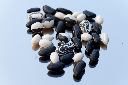
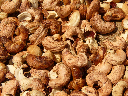
you can obtain Magnesium from foods such as: almonds, spinach, cashews, black beans, avocados, whole grains

- Full access to our public library
- Save favorite books
- Interact with authors
- < BEGINNING
- END >
-
DOWNLOAD
-
LIKE
-
COMMENT()
-
SHARE
-
SAVE
-
BUY THIS BOOK
(from $7.19+) -
BUY THIS BOOK
(from $7.19+) - DOWNLOAD
- LIKE
- COMMENT ()
- SHARE
- SAVE
- Report
-
BUY
-
LIKE
-
COMMENT()
-
SHARE
- Excessive Violence
- Harassment
- Offensive Pictures
- Spelling & Grammar Errors
- Unfinished
- Other Problem





COMMENTS
Click 'X' to report any negative comments. Thanks!