
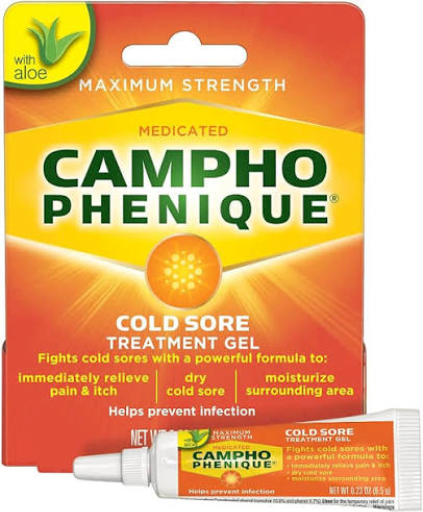
"Breaking the Chain: Raising awareness and understanding fever blisters"

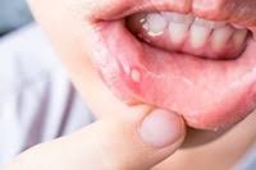
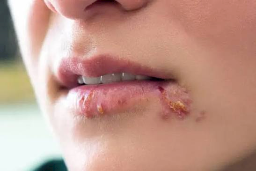
Fever blisters known as cold sores are small, painful, fluid-filled blisters that typically develop around the lips, mouth, and chin.
Pathogen: Herpes Simplex Virus Type 1 (HSV-1) is the primary pathogen responsible for fever blisters.

WHAT IS A FEVER BLISTER

To spread and complete the chain of infection, the virus must leave its reservoir. The reservoir is the human nerve tissue where the virus permanently lives, grows, and multiplies. It travels through direct contact transmissions like kissing or sharing cups to find a new, susceptible human host who lacks immunity. It passes directly from person to person, meaning it does not need a biological vector like a mosquito to travel. This virus is tricky because an infected person can act as a symptom-free carrier, meaning they have the virus in their saliva even when their skin looks completely clear.
MODE OF TRANSMISSION
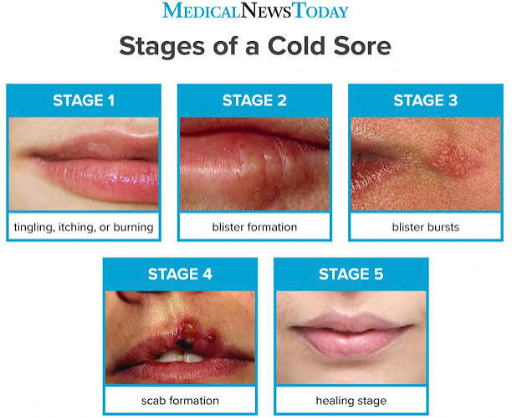
When the virus wakes up, it triggers a local immune response, which is the body's defense system fighting back. White blood cells rush to the lip, causing common signs like tingling, swelling, and painful fluid-filled blisters. Unlike some bacteria, this virus does not damage your body by releasing a harmful toxin. Instead, the painful sores happen because the virus multiplies inside your skin cells until they pop. A normal breakout is a localized infection because it stays in one small spot on the lip instead of spreading everywhere. However, if a patient has a weak immune system, it can turn into a generalized infection that spreads through the bloodstream to the whole body.
SIGNS AND SYMPTOMS

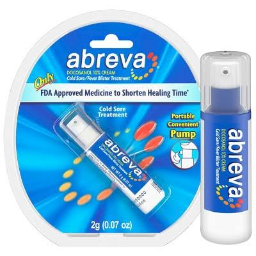
Because scientists have not yet created a vaccine to train our bodies to fight this pathogen safely, there is no permanent cure for fever blisters. Instead, medical treatment relies on antiviral creams or pills to slow down the virus, so the skin heals faster. To practice good prevention at home and protect others, temporary isolation of personal items like cups and towels is necessary until the sores scab over. In a medical office, workers use aseptic techniques to stop germs from spreading. They apply an antiseptic to living tissues to slow germ growth and use chemical disinfection to clean non-living items like tables and chairs.
TREATMENT AND PREVENTION


- Full access to our public library
- Save favorite books
- Interact with authors

- < BEGINNING
- END >
-
DOWNLOAD
-
LIKE
-
COMMENT()
-
SHARE
-
SAVE
-
BUY THIS BOOK
(from $2.99+) -
BUY THIS BOOK
(from $2.99+) - DOWNLOAD
- LIKE
- COMMENT ()
- SHARE
- SAVE
- Report
-
BUY
-
LIKE
-
COMMENT()
-
SHARE
- Excessive Violence
- Harassment
- Offensive Pictures
- Spelling & Grammar Errors
- Unfinished
- Other Problem

COMMENTS
Click 'X' to report any negative comments. Thanks!