 Colonization Era
This book was created and published on StoryJumper™
©2010 StoryJumper, Inc. All rights reserved.
Publish your own children's book:
www.storyjumper.com


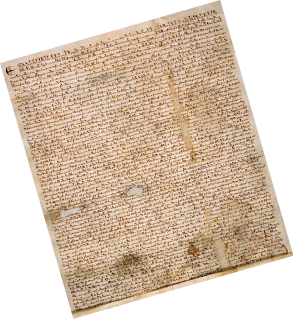
 Magna Carta
1215
 This was the first document that
 gave citizens basic civil rights, such
as trial by jury.

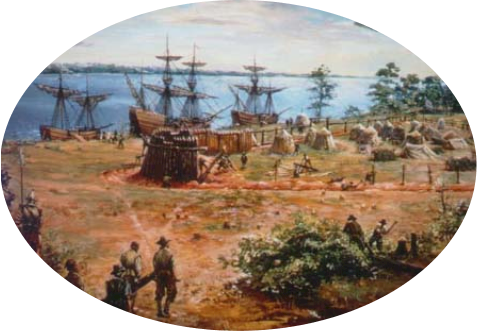
 Jamestown
1607
 The first permanent English
 settlement in North America,
Jamestown, Virginia.

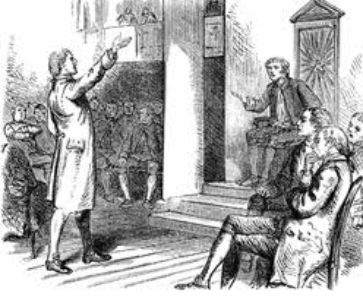 Virginia House of Burgesses
enter text here
 House of Burgesses
1619
 The first representative
 assembly in the colonies.

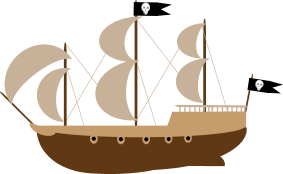


 Mayflower Compact
1620
 An agreement signed by the
 Pilgrims that first established
the idea of self-government.

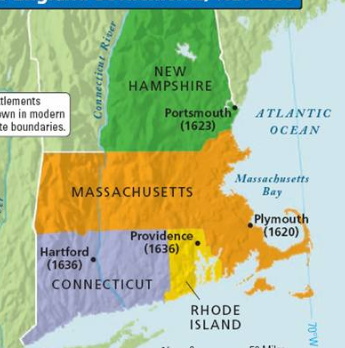

 New England Region
Region made up of the colonies
New Hampshire, Rhode Island,
Massachusetts , and Connecticut
whose economy consisted mainly
of the shipping industry.

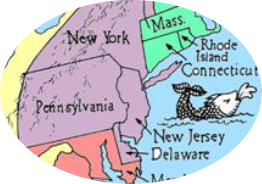




 Middle RegionRegion consisted of New York,
New Jersey, Pennsylvania, and
Delaware. It was also known as
the "Melting Pot" for its wide
variety of religions.

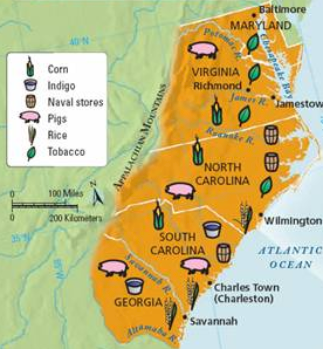
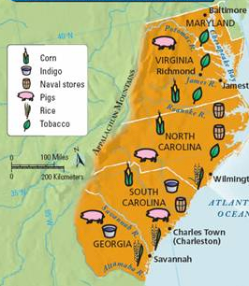
 Southern RegionRegion that consisted of Georgia,
 Virginia, North and South Carolina,
and Maryland. Its economy was
based off of the trading of tobacco.

American
Revolution Era



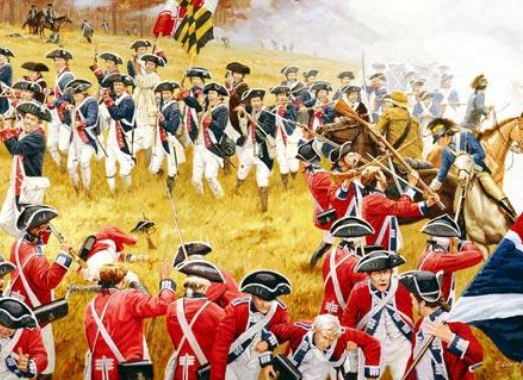
The war that sparked when
colonists moved into the
French's territory, which they
took as a threat and started a
war.
1754

 Treaty of Paris
1763
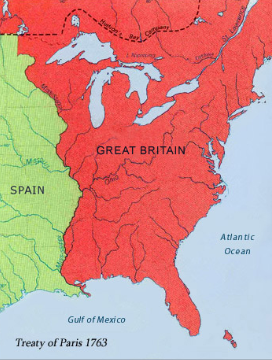
The treaty that ended the
French and Indian War, also
ending French rule in North
America. It also gave the
colonies land to the Mississippi
River.

 Proclamation of
1763
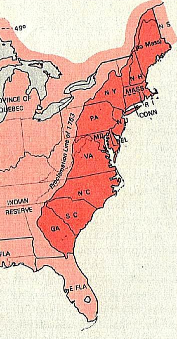
The King of England forbid
colonists to settle west of the
Appalachian Mountains to
prevent Indian attacks, which
angered the colonists.


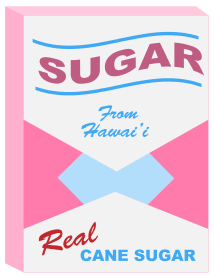
 Sugar Act
1764
Law passed by Parliament that
created a tax on sugar and
molasses to help pay off war
debt.






 Quartering Act
1765
Law passed that required
colonists to house British
soldiers to help save them
money to enforce the previous
acts and from war debt.

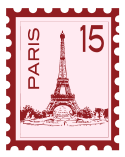
 Stamp Act
1765
Law that required a stamp on
legal documents, papers,
playing cards, and stamps that
required colonists to pay a tax.



 Townshend Acts
1767
Law passed that
enforces the Quartering
Act, put taxes on more
items, and established
the writs of assistance.
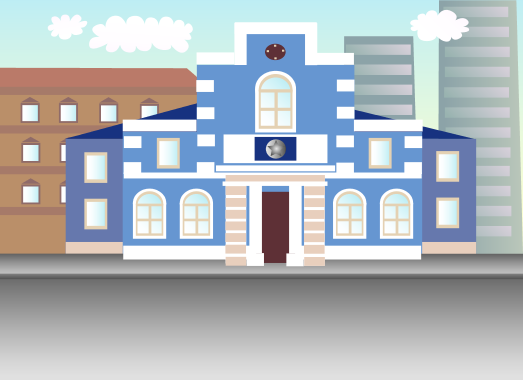





















 Boston Massacre
1770
The fight that broke out
between the Redcoats and
defenseless colonists. Crispus
Attucks was the first person
shot and died.


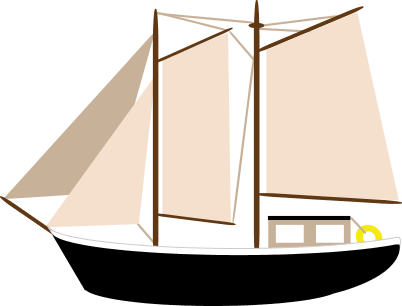

 Boston Tea Party
1773
Protest against the Tea Act
organized by the Sons of
Liberty where they dumped the
tea that came in on a British
ship in to the Boston Harbor.


 CLOSEDIntolerable Acts
1774
Act passed by Parliament
because of the Boston Tea
Party closing British ports until
the dumped tea was paid for.
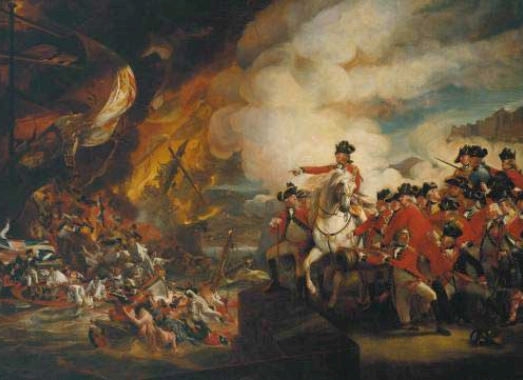 Lexington and Concord
1775
The first battle of the American
Revolutionary War in which the
British won.

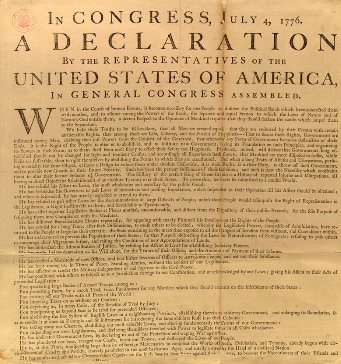


 Declaration of Independence
1776
Document adopted by
Congress stating America's
independence from Britain.
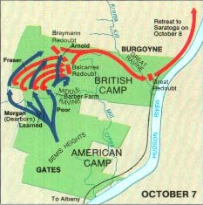
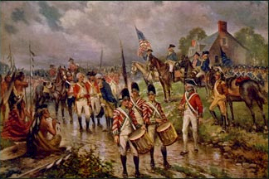
 Battle of Saratoga
1777
Second battle of the war which
was a turning point after
America won, making more
countries believe in the
Patriots. At this point, the
French had also decided to ally
with America.

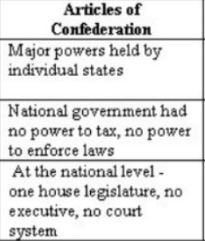

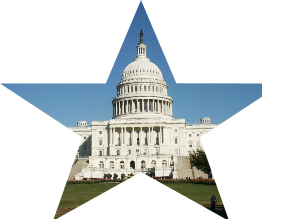 Articles Of Confederation
1781
America's first attempt at a
government that was adopted
by Congress in 1776 and then
made official in 1781. It had
propositions that included
leaving state governments with
most important powers.
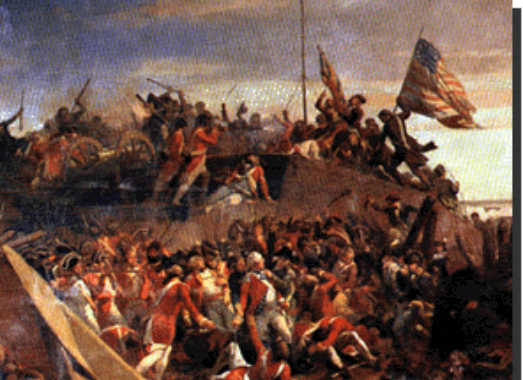
 Battle of Yorktown
1781
With the help of Frenchman, Marquis de
Lafayette, Gen. George Washington
bombarded Gen. Cornwallis and his
British troops, forcing them to
surrender; America won the battle and
war.
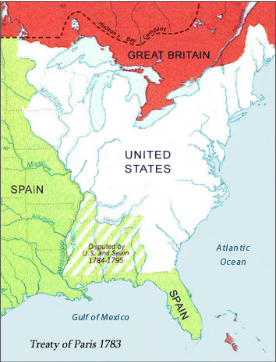 Treaty of Paris
1783
Treaty that ended the
Revolutionary War, confirming
America's independence and
setting the boundaries of its
new nation.
Constitutional
Era

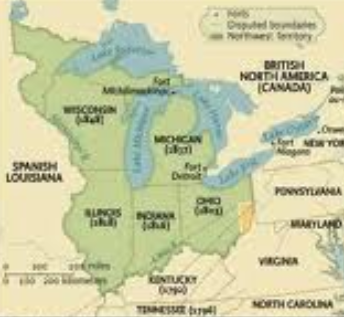 Northwest Ordinance
1787
Laws that established a way to
distribute land, the newly
acclaimed Northwest Territory.
It set conditions for settlers
and outlined rights for them
also.
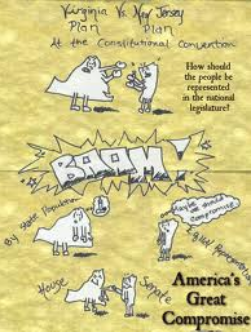 Great Compromise
1787
A compromise between the Virginia and
New Jersey Plan creating three branches
of government and making two houses
in the Legislative Branch, House of
Representatives and Senate.
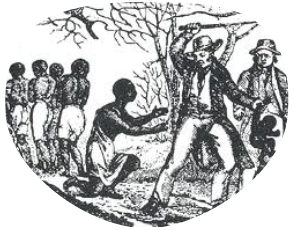 3/5th's Compromise
1787
A compromise between the
Southern and Northern states
that counted slaves as 3/5ths
of a person for taxation and
representation purposes.



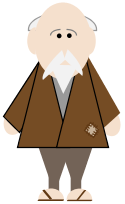 Popular Sovereignty
1787
Government principle
in which the power of
the government comes
from the people.
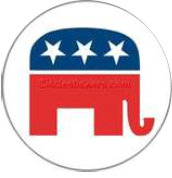
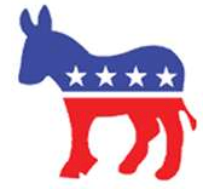 Vote for...orRepublicanism
1787
Principle that the government
is run by representatives
elected by the people;
government should be based
on the consent of the people.


 Save the rain forest!!
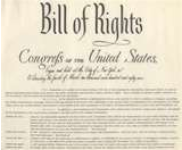 Individual Rights
1787
A personal liberty and
privilege guaranteed in
the Bill of Rights to all
U.S. citizens.






 You are both in trouble!Limited Government
1787
The principle that
requires all U.S.
citizens and
government officials to
obey the law.


 Federalism
1787
A system of
government where
power is shared
between the federal
(Congress) and state
government.

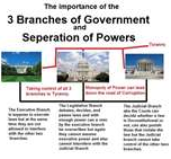 Separation of Powers
1787
Government divided
into separate branches
with their specific roles.

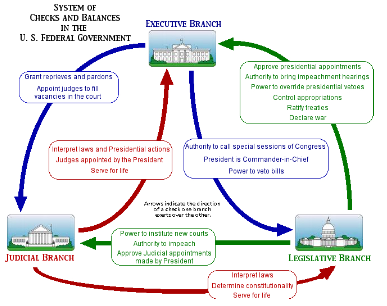 Checks and Balances
1787
Branches of
government ability to
use checks, or controls,
over the others.
You've previewed 71 of 108 pages.
To read more:
Click Sign Up (Free)- Full access to our public library
- Save favorite books
- Interact with authors

- < BEGINNING
- END >
-
DOWNLOAD
-
LIKE(2)
-
COMMENT()
-
SHARE
-
SAVE
-
BUY THIS BOOK
(from $21.59+) -
BUY THIS BOOK
(from $21.59+) - DOWNLOAD
- LIKE (2)
- COMMENT ()
- SHARE
- SAVE
- Report
-
BUY
-
LIKE(2)
-
COMMENT()
-
SHARE
- Excessive Violence
- Harassment
- Offensive Pictures
- Spelling & Grammar Errors
- Unfinished
- Other Problem





COMMENTS
Click 'X' to report any negative comments. Thanks!