A remarkable true story about a remarkable elephant.

The Tokugawa period (1603-1867) is a known famous period in Japanese history. It was a period of peace and stability for 250 years. What was unique about this period was that the country closed its doors to the rest of the world. The isolation policy (Sakoku) allowed for Japan to develop their traditional culture and society. Only one port was allowed open for international trade and that was in Nagasaki.
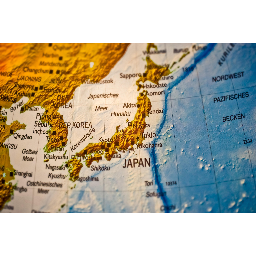
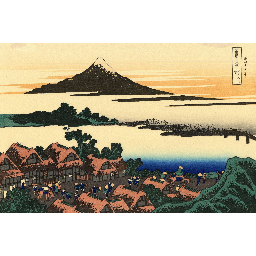
Under the Tokugawa rule, the emperor was mostly a figurehead. The country was controlled by a shogun and daimyo (lords) helped govern Japan by regional domains. Succession of shoguns and emperors were controlled and peaceful. In 1684, Tokugawa Yoshimune became the eighth shogun. He made a number of reforms and completed projects that benefitted the people of Japan. It was his openness to culture and science and curiosity of the outside world that caught people’s attention.
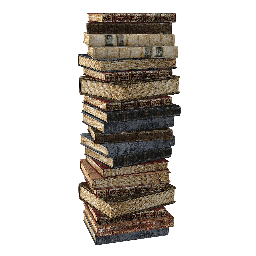
Yoshimune’s inquisitive nature meant that the ban on foreign books was relaxed. He read about animals that could not be seen in Japan and became fascinated by exotic animals. Yoshimune became curious about elephants and after reading about them and seeing pictures, he decided that he wanted to have a real elephant. He arranged for his assistants to talk to Chinese merchants that visited Nagasaki to see if it was possible.
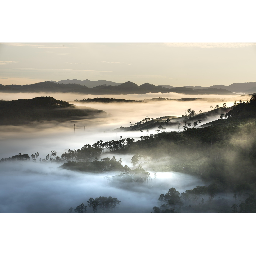
First, the elephant needed to be selected. A merchant travelled to the Quang Nam region of Vietnam and found two suitable elephants. One elephant was male and one was female. The female elephant was five years old, and the male elephant was seven years old. The merchant Zheng Dacheng thought that two elephants would be better to send to the shogun than one. The two elephants would be company for one another, and it was hoped that they would less likely become homesick.
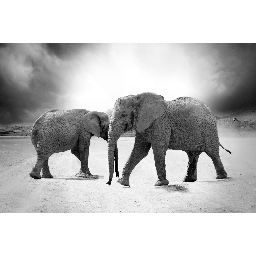
The second task was to find a boat to transport the elephants across the ocean. At that time, no such boat existed. Most boats were too small and could not hold the weight of the elephants. It was decided that a Chinese junk would be modified to hold the elephants, their mahouts (handlers), translators, sailors, and food. Extra timber was used on the floor of the junk to enable the elephants to be transported safely.
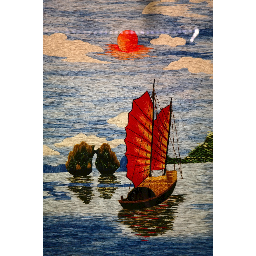
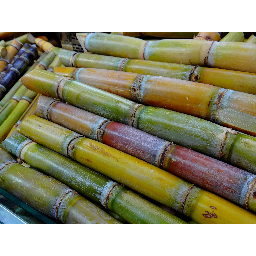
On the day of the departure, the elephants were hoisted on to the junk along with a large quantity of water, straw, hay, and sugar cane. “Manju” high-calorie sweet bean cakes were also packed. The bean cakes were served to the elephants to help them maintain their weight and reduce stress. Everyone was worried about keeping the elephants alive as the crossing of the South and East China Seas would take 27 days. The ocean was unpredictable and difficult to navigate in the custom-built junk. Everyone was relieved when the junk dropped the anchor in Nagasaki.
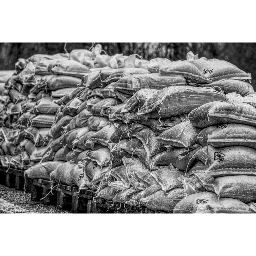
The next headache was being able to get the elephants safely off the junk to dry land. Japan did not have the technology using machines to do this safely at the time. Everyone was worried that the elephants could slip between the junk and the land. A special ramp made of wood and sandbags had to be made. The mahouts suggested that dirt be placed on the ramp so that the elephants would think that the ramp was dry land.
Everyone held their breath as the mahouts blindfolded the elephants. The mahouts used gentle words in a calming nature to get the elephants to move from the junk to land. Once they were on dry land, everyone sighed. They were pleased that the elephants were still alive and well. The elephants were placed in specially built stables in Nagasaki, so they could rest and be ready for the next stage of the movement. The people of Nagasaki were in awe of such magnificent creatures. They were also curious about the mahouts as no one knew how to look after and elephant. Everyone wondered if the elephant could walk from Nagasaki to Edo!
Unfortunately, the travel, change in climate and diet, plus eating too many Manju took its toll on the female elephant. Sadly, she passed away. All efforts focused on the male elephant and getting him north to meet the emperor and the shogun. Everyone knew that it would take many days to get the elephant from Nagasaki to Edo. Over 1400 kilometres would need to be covered. That is an exceptionally long way! Extra thought was required to keep the elephant safe and healthy.
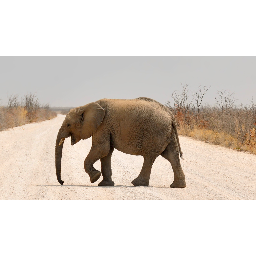
The shogun received news that the elephants had arrived. The passing of the female elephant highlighted the fragile nature of the animals. The shogun decided to issue extremely specific orders for each town the elephant would pass through. There was a concern that if the elephant heard a loud noise or walked on unstable ground that he would panic and start to run. This would then cause damage not only to the elephant but other people too!
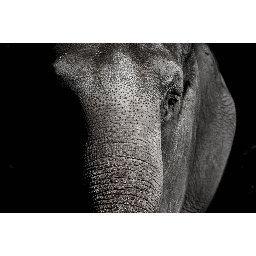
The shogun ordered complete silence. No temple bells would ring, and people were not allowed to make any noise as the elephant walked by. Other animals were not allowed on the road. It was thought that the sound or smell from a cat or dog could spook the elephant. Streets were swept to remove anything that could hurt the elephant’s feet. Enough food was to be made available so the elephant could eat during the journey. Large stables were created for the elephant to rest. Any river crossings had sturdy ramps and boats made to carry the weight of the elephant. The orders were passed along the route so that every daimyo(lord) knew how to prepare his domain and people to receive the elephant.
- Full access to our public library
- Save favorite books
- Interact with authors
- < BEGINNING
- END >
-
DOWNLOAD
-
LIKE
-
COMMENT()
-
SHARE
-
SAVE
-
BUY THIS BOOK
(from $4.79+) -
BUY THIS BOOK
(from $4.79+) - DOWNLOAD
- LIKE
- COMMENT ()
- SHARE
- SAVE
- Report
-
BUY
-
LIKE
-
COMMENT()
-
SHARE
- Excessive Violence
- Harassment
- Offensive Pictures
- Spelling & Grammar Errors
- Unfinished
- Other Problem






COMMENTS
Click 'X' to report any negative comments. Thanks!